Object Gallery
Seeing the heroes as objects.
Figures of the warriors, the combining robots, the old toys. The heroes from the other side of the screen, gathered as things you can hold. Vintage or current production, it makes no difference, so long as the form is right. Every photo is a real product, each linked to where you can find it.
 恐竜戦隊ジュウレンジャー S.H.Figuarts プテラレンジャー
 Hall I / Zyuranger 1992
The five warriors and Daizyujin
The five warriors from Tyranno to Ptera, and Daizyujin formed when the Guardian Beasts combine — from period DX toys and sofubi to today’s detailed figures, shown as real, existing objects.
See Kyōryū Sentai Zyuranger → 恐竜戦隊ジュウレンジャー S.H.Figuarts プテラレンジャー
Find this piece ↗
S.H.Figuarts タイガーレンジャー 「恐竜戦隊ジュウレンジャー」ホビー フィギュア 特撮
Find ↗
S.H.Figuarts 恐竜戦隊ジュウレンジャー トリケラレンジャー
Find ↗
バンダイ 恐竜戦隊ジュウレンジャー ソフビ 5体 セット
Find ↗魂ウェブ商店限定 S.H.Figuarts(フィギュアーツ) トリケラレンジャー 恐竜戦隊ジュウレンジャー 可動フィギュ…
Find ↗フィギュア S.H.Figuarts タイガーレンジャー 「恐竜戦隊ジュウレンジャー」 魂ウェブ商店限定
Find ↗BANDAI バンダイ 恐竜戦隊 ジュウレンジャー おもちゃフィギュア 魂ウェブ商店限定 S.H.フィギュアーツ 対象年…
Find ↗フィギュア S.H.Figuarts マンモスレンジャー 「恐竜戦隊ジュウレンジャー」 魂ウェブ商店限定
Find ↗スーパーミニプラ 進化合体 恐竜戦隊ジュウレンジャー 大獣神 5個入りBOX販売
Find ↗(食玩)スーパーミニプラ 恐竜戦隊ジュウレンジャー ドラゴンシーザー(再販)
Find ↗スーパーミニプラ 進化合体 大獣神 BOX (恐竜戦隊ジュウレンジャー) プラモデル
Find ↗スーパーミニプラ 進化合体 大獣神 1BOX(5個入り)食玩(発売日より約1週間後の出荷 予約 キャンセル不可)
Find ↗スーパーミニプラ ドラゴンシーザー (恐竜戦隊ジュウレンジャー) プラモデル
Find ↗![[バンダイ] 恐竜戦隊ジュウレンジャー アクションヒーロー ティラノレンジャー](https://thumbnail.image.rakuten.co.jp/@0_mall/outletplaza/cabinet/485/4582769793875.jpg?_ex=600x600)
[バンダイ] 恐竜戦隊ジュウレンジャー アクションヒーロー ティラノレンジャー
Find ↗![[バンダイ(BANDAI)] アクションヒーロー ティラノレンジャー スーパー戦隊シリーズ 恐竜戦隊ジュウレンジャー](https://thumbnail.image.rakuten.co.jp/@0_mall/pocchi-shop/cabinet/import_items/2024_103/0/m-4582769793875.jpg?_ex=600x600)
[バンダイ(BANDAI)] アクションヒーロー ティラノレンジャー スーパー戦隊シリーズ 恐竜戦隊ジュウレンジャー
Find ↗恐竜戦隊ジュウレンジャー アクションヒーロー ティラノレンジャーおもちゃ こども 子供 男の子 3歳 ナンバーワン戦隊ゴ…
Find ↗![[バンダイ(BANDAI)] DXROBO UNIVERSE シリーズ 色:大獣神](https://thumbnail.image.rakuten.co.jp/@0_mall/dragondash/cabinet/rakub200_0049/b0dthcjcvb00.jpg?_ex=600x600)
[バンダイ(BANDAI)] DXROBO UNIVERSE シリーズ 色:大獣神
Find ↗![スーパー戦隊 Official Mook 20世紀 1992 恐竜戦隊ジュウレンジャー [ 講談社 ]](https://thumbnail.image.rakuten.co.jp/@0_mall/rakutenkobo-ebooks/cabinet/9574/2000010019574.jpg?_ex=600x600)
スーパー戦隊 Official Mook 20世紀 1992 恐竜戦隊ジュウレンジャー [ 講談社 ]
Find ↗★CD 栄光のスーパー戦隊 ここに集合!!「恐竜戦隊ジュウレンジャー」~「超電子バイオマン」9作品主題歌収録
Find ↗![[枚数限定][限定盤]Symphonic Fantasy 恐竜戦隊ジュウレンジャー 第I章〜聖なる5人〜/TVサントラ[](https://thumbnail.image.rakuten.co.jp/@0_mall/joshin-cddvd/cabinet/481/cocc-72234.jpg?_ex=600x600)
[枚数限定][限定盤]Symphonic Fantasy 恐竜戦隊ジュウレンジャー 第I章〜聖なる5人〜/TVサントラ[…
Find ↗The very things that sat on the shelves back then — not today’s refined reissues, but the original boxes and paint. Secondhand stock from Suruga-ya, shown by their box art.
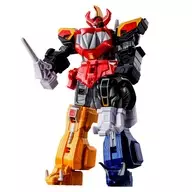
DXROBO UNIVERSE 大獣神 「恐竜戦隊ジュウレンジャー」
On Suruga-ya ↗
SMP 恐竜戦隊ジュウレンジャー 進化合体 大獣神 クリアカラーVer. イベント限定
On Suruga-ya ↗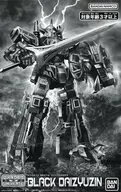
DXROBO UNIVERSE ブラック大獣神 「恐竜戦隊ジュウレンジャー」 プレミアムバンダイ限定
On Suruga-ya ↗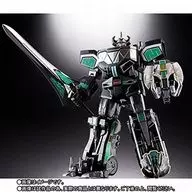
超合金魂 GX-72B 大獣神(ブラックVer.) 「恐竜戦隊ジュウレンジャー」 サンディエゴ・コミコン インターナ…
On Suruga-ya ↗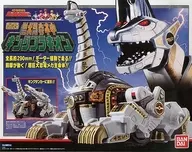
スーパーミニプラ 恐竜戦隊ジュウレンジャー 獣騎神キングブラキオン プレミアムバンダイ限定
On Suruga-ya ↗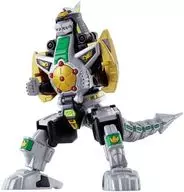
スーパーミニプラ 恐竜戦隊ジュウレンジャー ドラゴンシーザー(再販)
On Suruga-ya ↗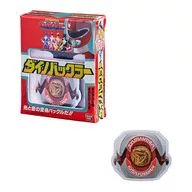
ジュウレンジャー 「スーパー戦隊シリーズ 変身アイテムピンズコレクション02」
On Suruga-ya ↗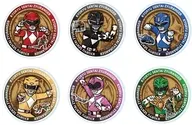
【BOX】アクリルマグネット 恐竜戦隊ジュウレンジャー 01.グラフアートイラスト
On Suruga-ya ↗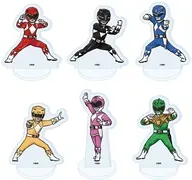
【BOX】アクリルぷちスタンド 恐竜戦隊ジュウレンジャー 01.グラフアートイラスト
On Suruga-ya ↗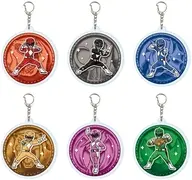
【BOX】アクリルキーホルダー 恐竜戦隊ジュウレンジャー 01.グラフアートイラスト
On Suruga-ya ↗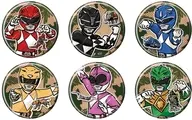
【ボックス】缶バッジ 恐竜戦隊ジュウレンジャー 01.グラフアートイラスト
On Suruga-ya ↗
03.トリケラレンジャー(公式イラスト) ミニアクリルブロック 「恐竜戦隊ジュウレンジャー」
On Suruga-ya ↗
アクションヒーロー ティラノレンジャー 「恐竜戦隊ジュウレンジャー」
On Suruga-ya ↗
SHODO SUPER 恐竜戦隊ジュウレンジャー プレミアムバンダイ限定(本体不備(中))
On Suruga-ya ↗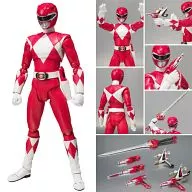
S.H.Figuarts ティラノレンジャー 「恐竜戦隊ジュウレンジャー」(本体不備(中))
On Suruga-ya ↗
S.H.Figuarts ドラゴンレンジャー 「恐竜戦隊ジュウレンジャー」
On Suruga-ya ↗
愛蔵版 恐竜戦隊ジュウレンジャー スーパー戦隊超全集
On Suruga-ya ↗
佐藤健太 ピタゴラス / 恐竜戦隊ジュウレンジャー スーパー戦隊シリーズ30作記念 主題歌コレクション(限定盤)
On Suruga-ya ↗Hall II / Dairanger 1993
The five of qi, and Dairenoh
The five who carried the dragon, lion, pegasus, qilin and phoenix, and Dairenoh built from the Mythical Qi Beasts — the warriors and robots made solid, in photos of real, existing pieces.
See Gosei Sentai Dairanger →
S.H.フィギュアーツ 五星戦隊ダイレンジャー リュウレンジャー 約150mm ABS&PVC製 塗装済み可動フィギュア
Find this piece ↗
五星戦隊ダイレンジャー S.H.Figuarts キバレンジャー
Find ↗
「非常に良い」S.H.フィギュアーツ 五星戦隊ダイレンジャー リュウレンジャー 約150mm ABS&PVC製 塗装済み…
Find ↗
(非常に良い)S.H.フィギュアーツ 五星戦隊ダイレンジャー リュウレンジャー 約150mm ABS&PVC製 塗装済み…
Find ↗
( ・ 品) S.H.フィギュアーツ 五星戦隊ダイレンジャー リュウレンジャー 約150mm ABS&PVC製 塗装済み…
Find ↗
「非常に良い」五星戦隊ダイレンジャー S.H.Figuarts キバレンジャー
Find ↗S.H.Figuarts(フィギュアーツ) リュウレンジャー 五星戦隊ダイレンジャー 完成品 可動フィギュア バンダイ
Find ↗S.H.Figuarts リュウレンジャー 「五星戦隊ダイレンジャー」
Find ↗SMP [SHOKUGAN MODELING PROJECT] 五星合体 大連王 3個入りBOX (食玩)[バンダイ]《…
Find ↗五星戦隊ダイレンジャー SMP [SHOKUGAN MODELING PROJECT] 五星合体 大連王(BOX)おもち…
Find ↗バンダイ 五星合体 大連王 五星戦隊 ダイレンジャー 3個入りBOX キャラクター 食玩 プラモデル 模型 R2402-…
Find ↗(食玩) SMP[SHOKUGAN MODELING PROJECT] 五星合体 大連王 五星戦隊ダイレンジャー プラモ…
Find ↗『お取り寄せ』 (食玩) SMP[SHOKUGAN MODELING PROJECT] 五星合体 大連王 五星戦隊ダイレ…
Find ↗
バンダイ アクションヒーロー リュウレンジャー(五星戦隊ダイレンジャー)
Find ↗欠品あり BANDAI 五星戦隊ダイレンジャー 五星合体 DX龍星王 バンダイ 戦隊ヒーロー◆3101/西伊場店
Find ↗☆☆ 五星戦隊ダイレンジャー ウォンタイガー DXウォンタイガー 傷や汚れあり
Find ↗雑貨 ウォンタイガー(五星戦隊ダイレンジャー) 「スーパー戦隊 DXロボパッケージチャーム」 プレミアムバンダイ限定
Find ↗アニメムック 愛蔵版 五星戦隊ダイレンジャー 超全集
Find ↗![スーパー戦隊 Official Mook 20世紀 1993 五星戦隊ダイレンジャー [ 講談社 ]](https://thumbnail.image.rakuten.co.jp/@0_mall/rakutenkobo-ebooks/cabinet/9547/2000010019547.jpg?_ex=600x600)
スーパー戦隊 Official Mook 20世紀 1993 五星戦隊ダイレンジャー [ 講談社 ]
Find ↗アニメムック スーパー戦隊 Official Mook 20世紀 1993 五星戦隊ダイレンジャー
Find ↗
<スーパー戦隊シリーズ 30作記念 主題歌コレクション> 五星戦隊ダイレンジャー
Find ↗東映戦隊ヒーロー15 バトルフィーバーJ〜五星戦隊ダイレンジャー
Find ↗The very things that sat on the shelves back then — not today’s refined reissues, but the original boxes and paint. Secondhand stock from Suruga-ya, shown by their box art.
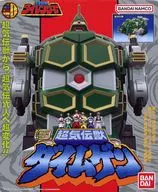
SMP 五星戦隊ダイレンジャー 超気伝獣 ダイムゲン プレミアムバンダイ限定
On Suruga-ya ↗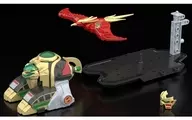
2.星獅子&星鳳凰 「SMP 五星合体 大連王」
On Suruga-ya ↗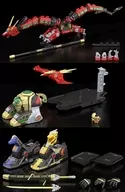
全3種セット 「SMP 五星合体 大連王」
On Suruga-ya ↗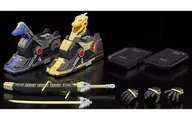
3.星天馬&星麒麟 「SMP 五星合体 大連王」
On Suruga-ya ↗
スーパープラデラ 大連王 「五星戦隊ダイレンジャー」(全体汚れ・塗装剥げ/箱・武器・シール欠品)
On Suruga-ya ↗
DXウォンタイガー 「五星戦隊ダイレンジャー」 戦隊職人 ~SUPER SENTAI ARTISAN~ プレミアムバ…
On Suruga-ya ↗
04.キリンレンジャー(公式イラスト) ミニアクリルブロック 「五星戦隊ダイレンジャー」
On Suruga-ya ↗
05.ホウオウレンジャー(公式イラスト) ミニアクリルブロック 「五星戦隊ダイレンジャー」
On Suruga-ya ↗
02.シシレンジャー(公式イラスト) ミニアクリルブロック 「五星戦隊ダイレンジャー」
On Suruga-ya ↗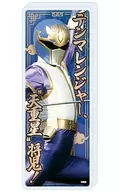
03.テンマレンジャー(公式イラスト) ミニアクリルブロック 「五星戦隊ダイレンジャー」
On Suruga-ya ↗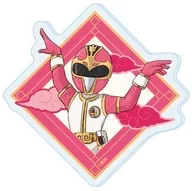
ホウオウレンジャー 「アクリルマグネット 五星戦隊ダイレンジャー 01.グラフアートイラスト」
On Suruga-ya ↗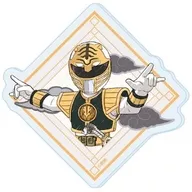
キバレンジャー 「アクリルマグネット 五星戦隊ダイレンジャー 01.グラフアートイラスト」
On Suruga-ya ↗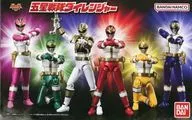
SHODO SUPER 五星戦隊ダイレンジャー プレミアムバンダイ限定
On Suruga-ya ↗
SHODO SUPER 五星戦隊ダイレンジャー コットポトロ プレミアムバンダイ限定
On Suruga-ya ↗
S.H.Figuarts リュウレンジャー 「五星戦隊ダイレンジャー」
On Suruga-ya ↗
S.H.Figuarts キバレンジャー 「五星戦隊ダイレンジャー」 魂ウェブ商店限定
On Suruga-ya ↗
愛蔵版 五星戦隊ダイレンジャー 超全集
On Suruga-ya ↗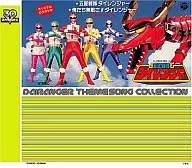
NEW JACK拓郎 / 五星戦隊ダイレンジャー スーパー戦隊シリーズ30作記念 主題歌コレクション(限定盤)
On Suruga-ya ↗Hall III / Kakuranger 1994
The five ninja and Kakure Daishogun
The five ninja who fought the yokai, and Kakure Daishogun formed from the Super Ninja Beasts — from period toys to Mini-Pla and figures, as objects you can hold.
See Ninja Sentai Kakuranger →バンダイ ソフビ セイカイ ニンジャイエロー 忍者戦隊カクレンジャー戦隊シリーズ
Find this piece ↗ドロンチェンジャー「忍者戦隊カクレンジャー」戦隊職人〜SUPERSENTAIARTISAN〜プレミアムバンダイ限定
Find ↗アクリルスタンド「忍者戦隊カクレンジャー」02/ニンジャホワイト/鶴姫(公式イラスト)[A3]《在庫切れ》
Find ↗アクリルスタンド「忍者戦隊カクレンジャー」03/ニンジャブルー/サイゾウ(公式イラスト)[A3]《在庫切れ》
Find ↗アクリルスタンド「忍者戦隊カクレンジャー」04/ニンジャイエロー/セイカイ(公式イラスト)[A3]《在庫切れ》
Find ↗アクリルスタンド「忍者戦隊カクレンジャー」01/ニンジャレッド/サスケ(公式イラスト)[A3]《在庫切れ》
Find ↗アクリルスタンド「忍者戦隊カクレンジャー」05/ニンジャブラック/ジライヤ(公式イラスト)[A3]《在庫切れ》
Find ↗おもちゃ 戦隊職人 〜SUPER SENTAI ARTISAN〜 ドロンチェンジャー 「忍者戦隊カクレンジャー」 プレ
Find ↗![内袋)BANDAI スーパーミニプラ 忍者合体 無敵将軍 忍者戦隊カクレンジャー[19]](https://thumbnail.image.rakuten.co.jp/@0_mall/otakarasouko/cabinet/_1136/1240019530847_1.jpg?_ex=600x600)
内袋)BANDAI スーパーミニプラ 忍者合体 無敵将軍 忍者戦隊カクレンジャー[19]
Find ↗スーパーミニプラ 忍者合体 無敵将軍 1BOX (5個入り)(食玩)(仮称) 忍者戦隊カクレンジャー
Find ↗スーパーミニプラ 忍者合体 無敵将軍
Find ↗![[PTM] (食玩) プレミアムバンダイ限定 スーパーミニプラ 五神合体 隠大将軍&ツバサマルセット 忍者戦隊カクレンジ](https://thumbnail.image.rakuten.co.jp/@0_mall/mediaworldkaitoriworld/cabinet/6316/0/cg63160109.jpg?_ex=600x600)
[PTM] (食玩) プレミアムバンダイ限定 スーパーミニプラ 五神合体 隠大将軍&ツバサマルセット 忍者戦隊カクレンジ…
Find ↗スーパーミニプラ 忍者合体 無敵将軍 BOX (忍者戦隊カクレンジャー) プラモデル
Find ↗イタジャガ スーパー戦隊シリーズ 50周年記念カードコレクション
Find ↗雑貨 隠大将軍(忍者戦隊カクレンジャー) 「スーパー戦隊 DXロボパッケージチャーム」 プレミアムバンダイ限定
Find ↗スーパー戦隊 DXロボチャーム&チョコボーロ ※チャームのみ
Find ↗忍者戦隊カクレンジャー 無敵将軍 BANDAI バンダイ 忍者合体 DX無敵将軍 玩具 ロボット おもちゃ 破損あり /…
Find ↗![スーパー戦隊 Official Mook 20世紀 1994 忍者戦隊カクレンジャー [ 講談社 ]](https://thumbnail.image.rakuten.co.jp/@0_mall/rakutenkobo-ebooks/cabinet/9545/2000010019545.jpg?_ex=600x600)
スーパー戦隊 Official Mook 20世紀 1994 忍者戦隊カクレンジャー [ 講談社 ]
Find ↗忍びパワーくらべ大百科 手裏剣戦隊ニンニンジャーVS忍風戦隊ハリケンジャーVS忍者戦隊カクレンジャー くらべてみようえほ…
Find ↗![の碑[本/雑誌] (講談社ノベルス) (単行本・ムック) / 京極夏彦/著](https://thumbnail.image.rakuten.co.jp/@0_mall/neowing-r/cabinet/item_img_2012/neobk-2893603.jpg?_ex=400x400)
の碑[本/雑誌] (講談社ノベルス) (単行本・ムック) / 京極夏彦/著
Find ↗
<スーパー戦隊シリーズ 30作記念 主題歌コレクション> 忍者戦隊カクレンジャー
Find ↗![[枚数限定][限定盤]忍者戦隊カクレンジャー 音楽集/TVサントラ[CD]](https://thumbnail.image.rakuten.co.jp/@0_mall/joshin-cddvd/cabinet/689/cocc-72236.jpg?_ex=600x600)
[枚数限定][限定盤]忍者戦隊カクレンジャー 音楽集/TVサントラ[CD]
Find ↗The very things that sat on the shelves back then — not today’s refined reissues, but the original boxes and paint. Secondhand stock from Suruga-ya, shown by their box art.
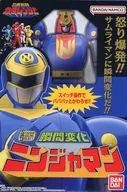
SMP 忍者戦隊カクレンジャー 瞬間変化 ニンジャマン プレミアムバンダイ限定
On Suruga-ya ↗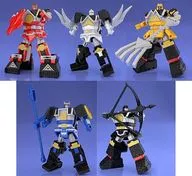
全5種セット 「スーパーミニプラ 忍者合体 無敵将軍」
On Suruga-ya ↗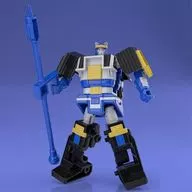
【賞味期限切れ】4.ブルーロウガン 「スーパーミニプラ 忍者合体 無敵将軍」
On Suruga-ya ↗
【賞味期限切れ】3.イエロークマード 「スーパーミニプラ 忍者合体 無敵将軍」
On Suruga-ya ↗
5.ブラックガンマー 「スーパーミニプラ 忍者合体 無敵将軍」
On Suruga-ya ↗
スーパーミニプラ 忍者戦隊カクレンジャー 五神合体 隠大将軍&ツバサマルセット プレミアムバンダイ限定
On Suruga-ya ↗
2.カクレンジャー 「スーパー戦隊シリーズ 変身アイテムピンズコレクション01」
On Suruga-ya ↗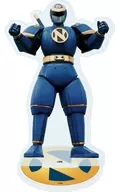
06.ニンジャマン(公式イラスト) アクリルスタンド 「忍者戦隊カクレンジャー」
On Suruga-ya ↗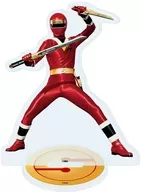
01.ニンジャレッド/サスケ(公式イラスト) アクリルスタンド 「忍者戦隊カクレンジャー」
On Suruga-ya ↗
02.ニンジャホワイト/鶴姫(公式イラスト) アクリルスタンド 「忍者戦隊カクレンジャー」
On Suruga-ya ↗
ニンジャブルー/サイゾウ 「忍者戦隊カクレンジャー アクリルキーホルダー 01.グラフアートイラスト」
On Suruga-ya ↗
ニンジャイエロー/セイカイ 「忍者戦隊カクレンジャー アクリルキーホルダー 01.グラフアートイラスト」
On Suruga-ya ↗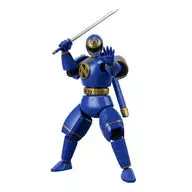
SHODO SUPER ニンジャマン プレミアムバンダイ限定
On Suruga-ya ↗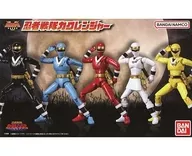
SHODO SUPER 忍者戦隊カクレンジャー プレミアムバンダイ限定
On Suruga-ya ↗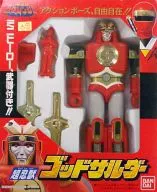
超忍獣ゴッドサルダー 「忍者戦隊カクレンジャー」 フィギュア(本体シール傷み/箱欠品)
On Suruga-ya ↗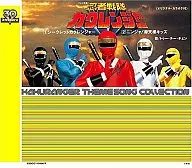
スーパー戦隊シリーズ主題歌コレクション 忍者戦隊カクレンジャー
On Suruga-ya ↗Gallery IV / Ohranger, 1995
The year an ancient power faced a machine empire
In 1995, at the franchise’s 20-year mark, Chouriki Sentai Ohranger took the stage. Its hard defense-war opening shifted under the shadow of the earthquake and the sarin attack. Ancient designs — clay figures and moai brought to motion — a warrior woken from 600 million years, and footage that crossed the sea into “another machine empire.” This room holds a year where celebration and real-world weight stood together.
See Chouriki Sentai Ohranger →
開封 パワーブレス 30th ANNIVERSARY EDITION バンダイ 超力戦隊オーレンジャー 30周年記念[1…
Find this piece ↗超力戦隊オーレンジャー ★ オーブロッカー フィギュア キーホルダー 特撮 昭和 レトロ
Find ↗BANDAI◆ヒーロー│特撮/超力戦隊オーレンジャー
Find ↗バンダイ 1/6 スーパー戦隊マスクコレクション Vol.2 オーレッド アニメ 特撮 フィギュア 半完成品 単品
Find ↗
同様 バンダイ スーパープラデラ 超力戦隊オーレンジャー キングピラミッダー
Find ↗
オーレッド お面 1つ超力戦隊オーレンジャー おめん 大人気 コスプレ 仮装 キャラクター なりきり 変装 縁日玩具 イ…
Find ↗
オーイエロー お面 1つ超力戦隊オーレンジャー おめん 大人気 コスプレ 仮装 キャラクター なりきり 変装 縁日玩具…
Find ↗
オーレンジャーロボ バトルコクピット 超力戦隊オーレンジャー
Find ↗イタジャガ スーパー戦隊シリーズ 50周年記念カードコレクション
Find ↗![スーパー戦隊 Official Mook 20世紀 1995 超力戦隊オーレンジャー [ 講談社 ]](https://thumbnail.image.rakuten.co.jp/@0_mall/rakutenkobo-ebooks/cabinet/9565/2000010019565.jpg?_ex=400x400)
スーパー戦隊 Official Mook 20世紀 1995 超力戦隊オーレンジャー [ 講談社 ]
Find ↗アニメムック スーパー戦隊 Official Mook 20世紀 1995 超力戦隊オーレンジャー
Find ↗超力戦隊オーレンジャー ヒット曲集
Find ↗アニメ系CD 速水けんたろう / 超力戦隊オーレンジャー スーパー戦隊シリーズ30作記念 主題歌コレクション(限定盤)
Find ↗「超力戦隊オーレンジャー」ヒット曲集
Find ↗The very things that sat on the shelves back then — not today’s refined reissues, but the original boxes and paint. Secondhand stock from Suruga-ya, shown by their box art.
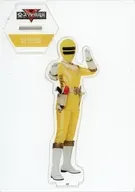
オーイエロー 全スーパー戦隊展アクリルスタンド 「超力戦隊オーレンジャー」 全スーパー戦隊展グッズ
On Suruga-ya ↗
【ボックス】超力戦隊オーレンジャー トレーディング缶バッジ
On Suruga-ya ↗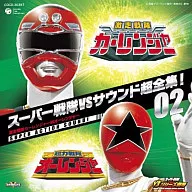
スーパー戦隊VSサウンド超全集!02 激走戦隊カーレンジャーVSオーレンジャー(ランクB)
On Suruga-ya ↗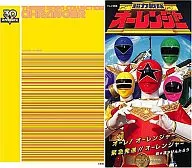
速水けんたろう / 超力戦隊オーレンジャー スーパー戦隊シリーズ30作記念 主題歌コレクション(限定盤)
On Suruga-ya ↗Sources
Photos of current products are not taken by this site; they are images of real products from shopping APIs (Rakuten, Yahoo! Shopping and others — 78 pieces), each linked to where you can find it (affiliate links). The “original vintage” box art is shown via Suruga-ya’s official affiliate image tag (their official CDN product images), each linking to that item on Suruga-ya. None of these are the shows’ footage or character art, but objects and publications that give those characters a physical form. Prices change with availability, so check each link.